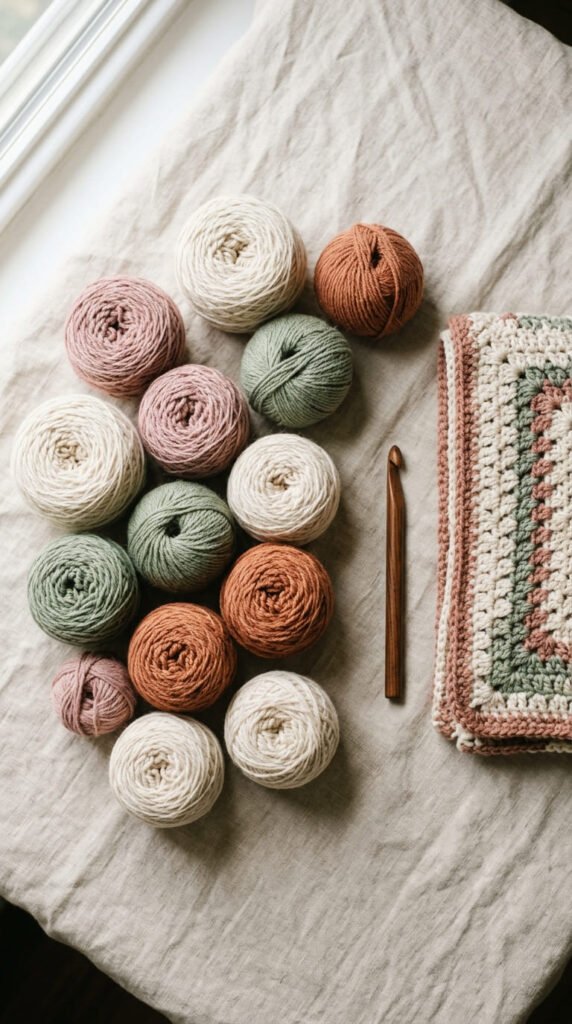
Pretty crochet doesn’t have to cost a fortune. The trick isn’t expensive fiber. It’s smart buying and clean finishing. Cheap yarn, handled well, can pass for designer work. Most people never guess the price. Below are 21 affordable yarn picks, DIY hacks, and sourcing moves that give your projects a rich, polished look. You’ll find soft budget brands, free fiber sources, and finishing tips that punch far above their cost. Each idea is simple, doable today, and friendly to a tight wallet.
1. Lean on Acrylic as Your Everyday Base
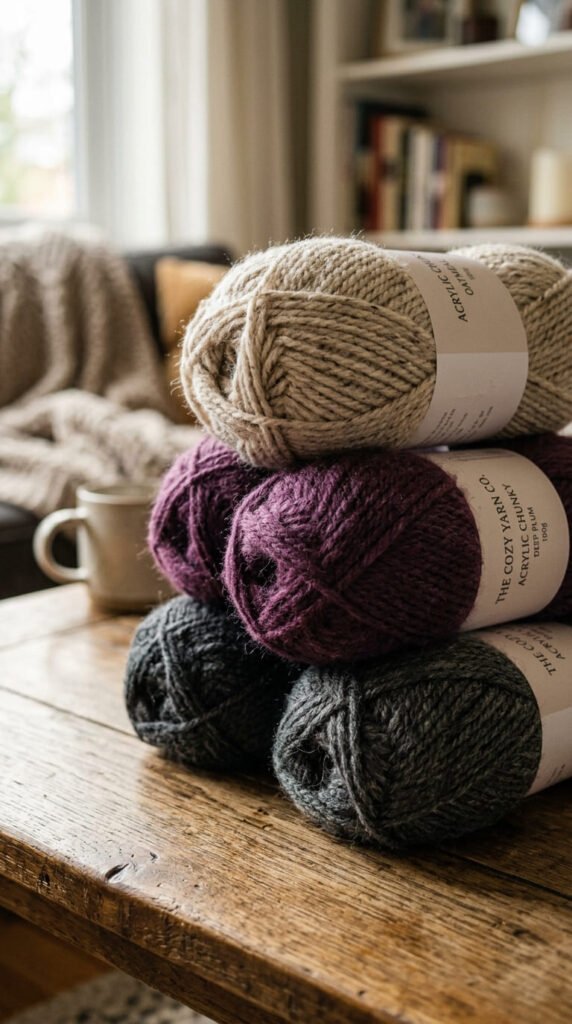
Acrylic is the backbone of budget crochet. It’s cheap, easy to find, and comes in every color you can imagine.
Brands like Lion Brand Pound of Love and Heartland give you a full pound for a few dollars. That’s a lot of stitches per cent.
Modern acrylic feels nothing like the scratchy stuff from years ago. Soft-touch lines are smooth against the skin.
The high-end secret? Pick muted, grown-up shades. Skip neon. Go for oatmeal, charcoal, sage, or deep plum.
Use a hook half a size up for a looser, drapier fabric. Stiff acrylic reads as cheap. Soft, flowing acrylic reads as cozy and expensive.
Try it on scarves, beanies, and throw pillows first. These show off drape without eating much yarn.
One pound skein can finish a small blanket. Buy two matching skeins on sale and you’ve got a gift-worthy project for under ten dollars.
Wash and steam the finished piece. That single step softens the fibers and sets the shape. Cheap yarn suddenly looks intentional.
2. Pick Caron Simply Soft for Silky Drape
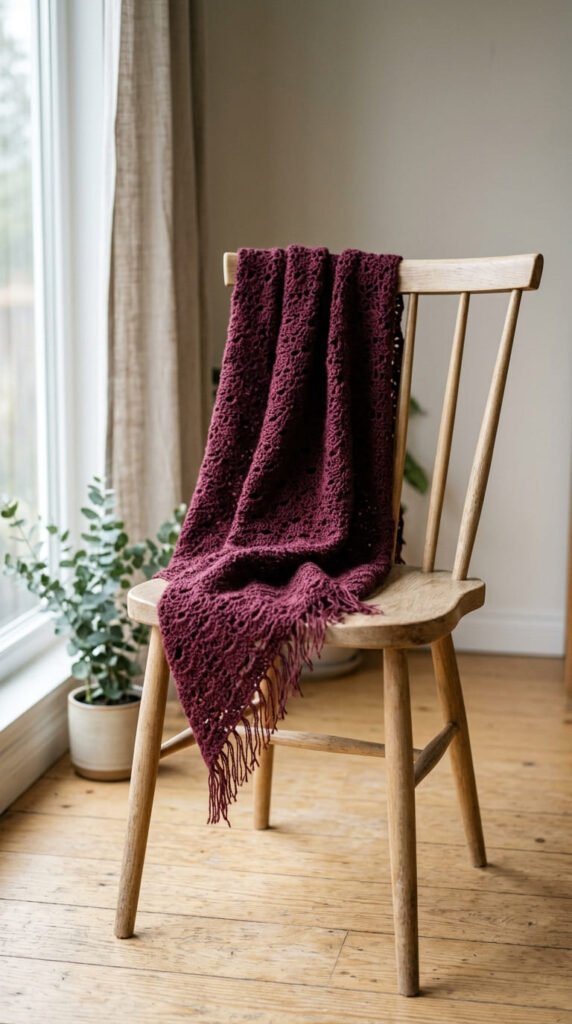
Some acrylics feel plasticky. Caron Simply Soft does not. It has a light sheen and a fluid drape that mimics pricier yarn.
You’ll find it at Joann and Michaels, often on sale. Pair it with a store coupon and the cost drops further.
This yarn shines on garments. Think drapey cardigans, light shawls, and summer tops. The fabric moves with the body instead of standing stiff.
A simple DIY win: crochet a long rectangular wrap in a single solid color. The sheen alone makes it look boutique.
The sheen does mean stitches can slide, so keep your tension even. Slow down on tricky rows.
For a richer effect, choose deep jewel tones like wine, forest, or navy. Light catches the surface and gives a satin finish.
Block the piece gently when done. A light steam relaxes the drape and removes any kinks.
One ball goes a long way on accessories. A pair of fingerless gloves or a slim cowl costs barely a dollar or two in yarn.
People assume it’s silk-blend. It’s not. It’s a budget staple working hard.
3. Unravel Thrift Store Sweaters for Free Fiber
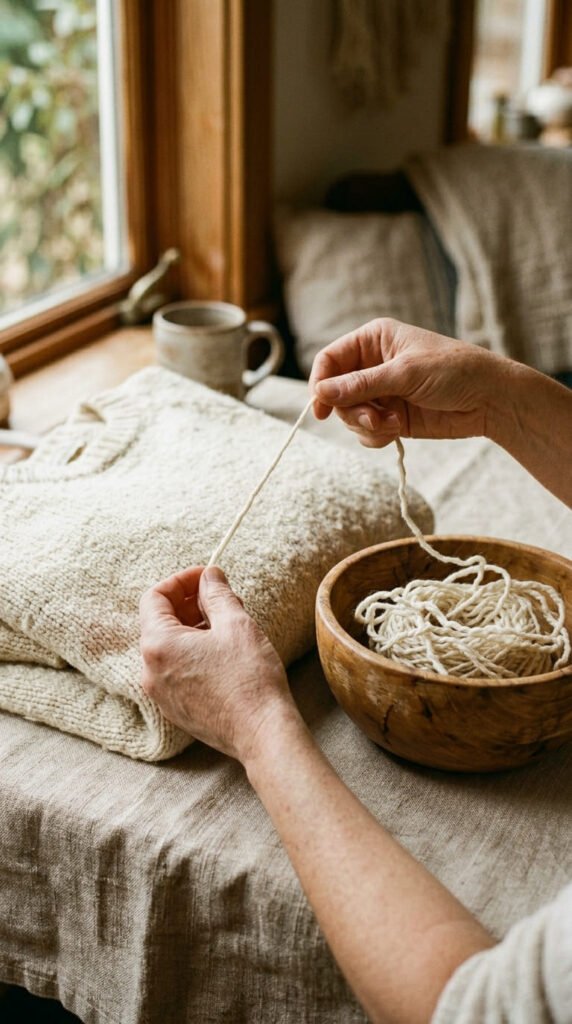
This is the biggest money-saver on the list. Old sweaters hide premium yarn inside them.
Hit a thrift store and look for 100% natural fiber sweaters. Check the tag. Cashmere, merino, cotton, and silk blends are gold.
A five-dollar sweater can hold yarn that would cost forty new. That’s a huge gap.
Pick sweaters sewn at the seams, not serged or glued. Seamed knits pull apart in clean lengths. Felted ones won’t budge, so skip those.
Snip the shoulder seam and find the loose end. Then pull. The yarn comes off in long strands.
Wind it into loose hanks. Give them a quick soak and hang to dry. The kinks relax and the yarn looks brand new.
Now you have luxury fiber for the price of a coffee. Use it on something that shows off softness, like a cowl or a baby blanket.
Buy a cheap swift or just wrap around a chair back. No special tools required.
This move turns a tiny budget into designer-grade results. Nobody can tell your merino started as a forgotten sweater.
4. Choose Cotton for Crisp Homewares
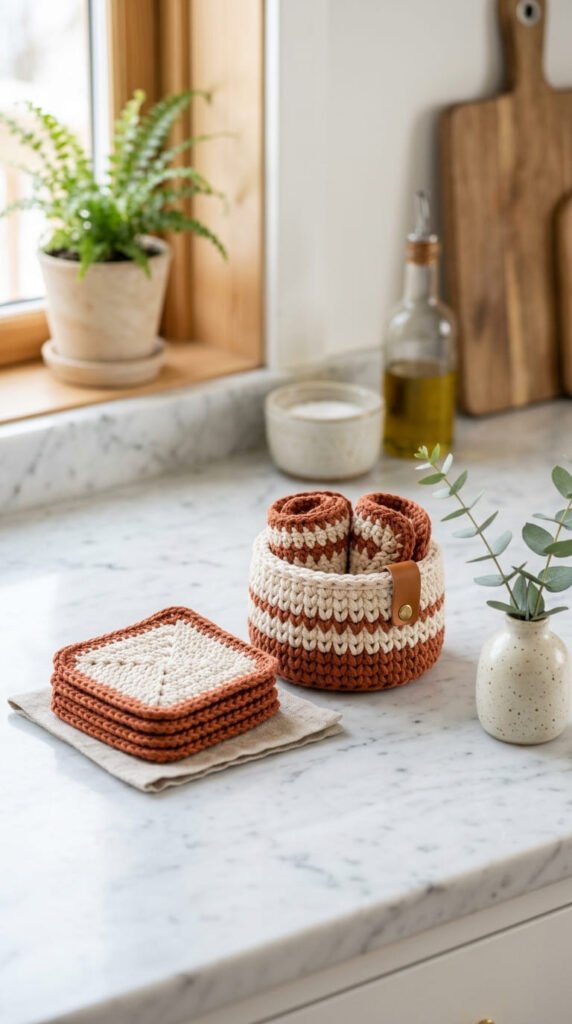
Cotton holds its shape. That crisp structure makes simple items look clean and high-end.
Lily Sugar’n Cream drops to around a dollar a ball on sale. That’s perfect for small home projects.
Dishcloths, coasters, baskets, and placemats all sit beautifully in cotton. The stitches stay neat and defined.
Stick to a calm two-color scheme. Cream paired with a single accent like rust or slate looks like a home-store collection.
Cotton baskets are a quick win. Work tight stitches and the basket stands up on its own. Add a folded top edge for a tailored finish.
Cotton softens with every wash, so kitchen items only get nicer over time.
Buy a few solid balls in neutral shades. Mix and match across a matching set of coasters and a runner. A coordinated set always reads as pricey.
Avoid loose, sloppy tension here. Cotton rewards firm, even stitches with a polished surface.
For under five dollars, you can stitch a full kitchen set. Gift it tied with twine and it looks like a small-batch artisan buy.
5. Spin Your Own T-Shirt Yarn
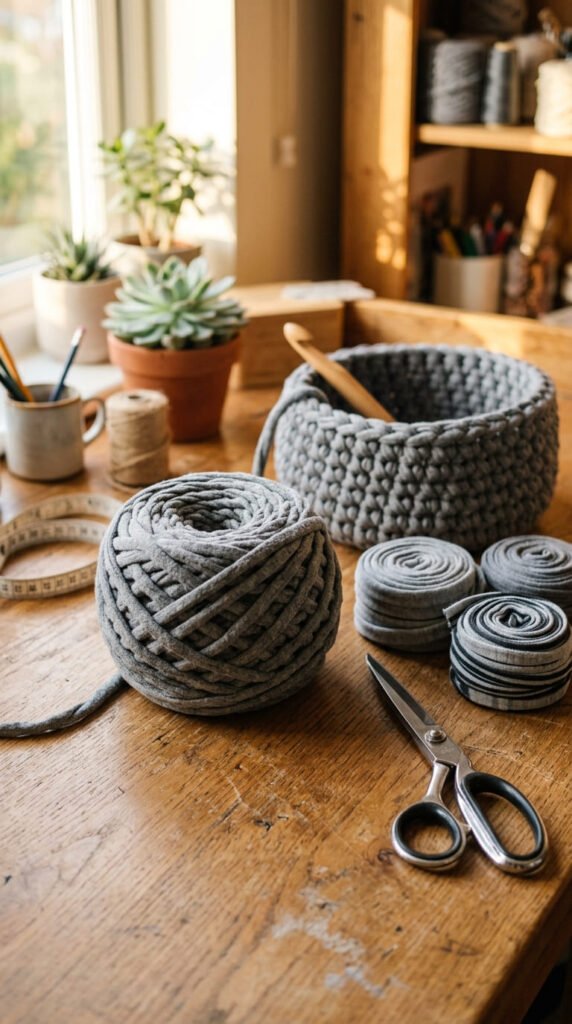
Old t-shirts become thick, sturdy yarn for free. This is upcycling at its best.
Grab a cotton tee with no side seams. Lay it flat and cut across in strips about an inch wide. Stop short of the top.
Then cut diagonally to form one long continuous strip. Stretch it gently and the edges curl into a rope.
This DIY bulky yarn works fast. You can finish a rug, basket, or bag in an afternoon.
The chunky texture looks deliberate and modern. Plain gray tees make calm, minimalist home pieces.
A bath mat from three old shirts costs nothing but time. It feels plush underfoot and survives the wash.
Mix shirt colors for a striped basket. Or stay tonal for a clean, gallery look.
Use a large hook, around 9mm or bigger. The thick strands move quickly through big stitches.
This is also a smart way to clear out a drawer of stained shirts. Nothing goes to landfill.
The finished pieces look hand-crafted in the best way. No one guesses the raw material was a worn-out tee.
6. Raid the Dollar Store Shelves
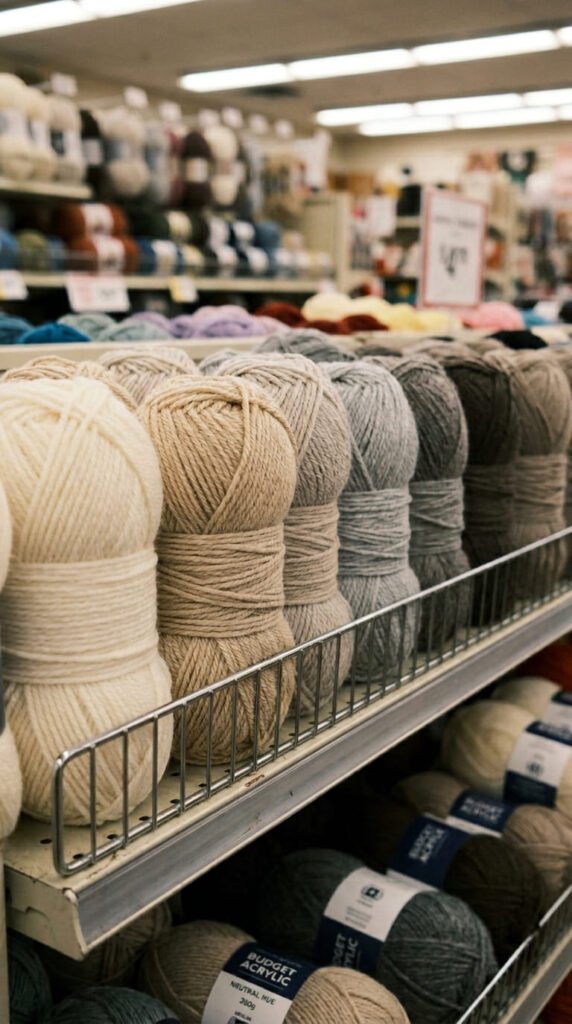
Dollar stores carry surprise yarn deals. Dollar Tree’s Premier yarn can run about five dollars a pound.
The color range is limited, but that’s fine for the right project. Solid basics are all you need for many makes.
Use these ultra-cheap skeins for practice swatches and learning new stitches. No guilt if it goes wrong.
They also work for kids’ toys, scrap blankets, and quick gifts. Items that get heavy use don’t need fancy fiber.
Check the dollar store craft aisle every few weeks. Stock shifts, and new shades appear.
Pick the softest skein on the shelf by squeezing it. Quality varies, so feel before you buy.
Pair a dollar-store solid with a nicer accent yarn. The contrast hides the cheaper base and lifts the whole piece.
A striped beanie using one budget color and one richer color costs almost nothing. The richer stripe carries the look.
Wash the finished item and give it a steam. That final touch evens out the texture.
For experiments and high-use makes, this is the lowest cost on the list.
7. Compare Price by the Yard, Not the Skein
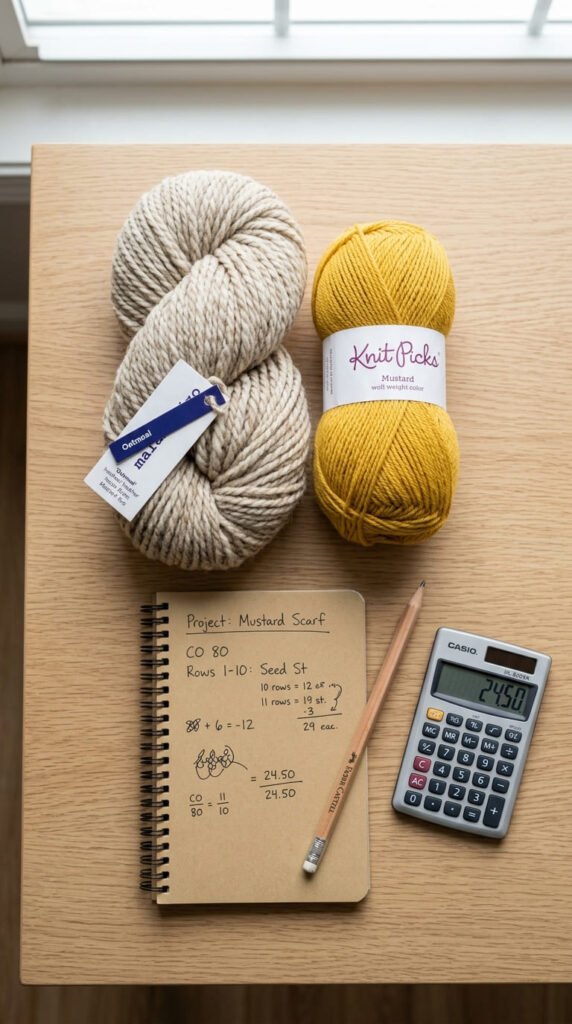
A cheap-looking sticker can hide a bad deal. The real cost lives in the yardage.
A small skein at two dollars can cost more per yard than a big skein at six. Always check the length on the label.
Do quick math. Divide the price by the yards. That number tells you the true value.
A price-per-yard habit saves real money over time. Bulk skeins almost always win.
Pound skeins from Lion Brand or Red Heart give you the most yarn per dollar. They last across several projects.
Keep a note on your phone with the per-yard cost of your favorite yarns. Then you can spot a true sale instantly.
Online listings make this easy. Most show both price and total yards.
This tip alone changes how you shop. You stop chasing the lowest sticker and start chasing the best value.
For large makes like blankets, the savings stack up fast. One smart bulk buy can cover three projects.
The finished work looks identical. You just paid less for the same fiber.
8. Stockpile During Brand Sales
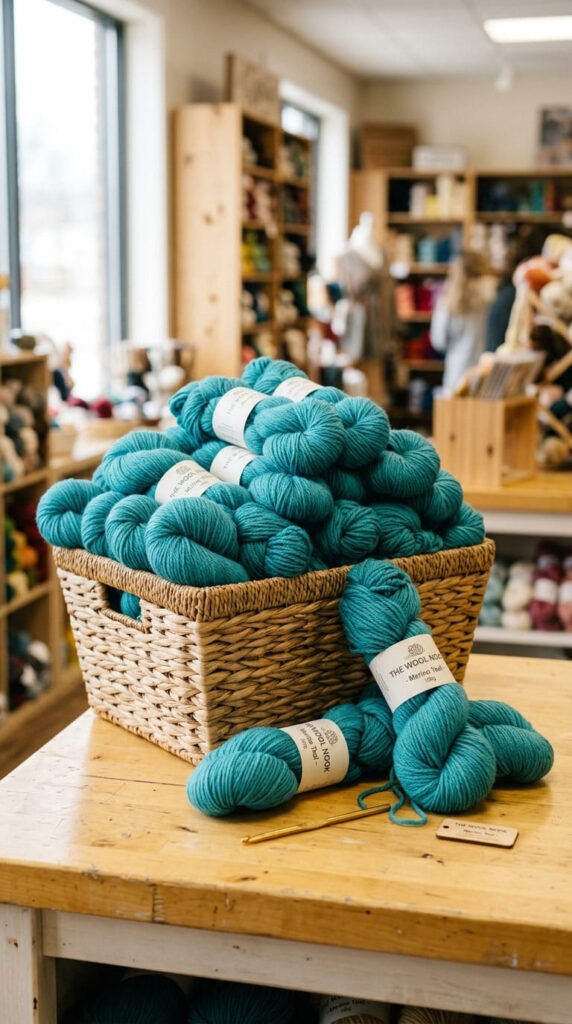
Yarn goes on sale often. The trick is buying when it does, not when you run out.
Lion Brand drops to around two dollars a skein during big sales. That’s a deep cut from the usual price.
Sign up for store newsletters. The discount codes land in your inbox before the sale hits the shelves.
When your favorite color drops in price, buy enough to finish a whole project. Dye lots vary, so matching later is hard.
Holiday weekends bring the steepest cuts. Plan bigger buys around them.
Keep a small running list of projects you want to make. When the right yarn goes cheap, you’re ready.
A garment’s worth of yarn bought at half price feels like a steal. The finished sweater still looks full-cost.
Store your stash in a dry bin away from sun. Good yarn keeps for years if you treat it right.
This patient approach beats panic buying every time. You pay less and never run short mid-row.
Smart timing is half the budget battle won.
9. Go Chunky with Wool-Ease Thick & Quick
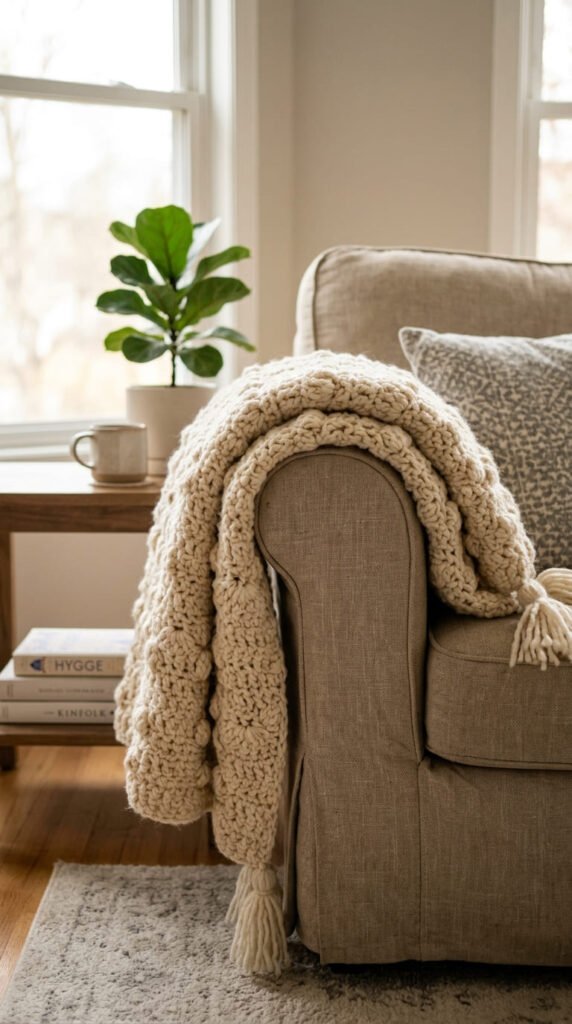
Chunky yarn looks luxe and works fast. Wool-Ease Thick & Quick stays under three dollars a skein.
It’s a wool-acrylic blend, so you get warmth and softness at a low price. The wool content adds a premium feel.
Big stitches finish projects in record time. A chunky throw can come together over a weekend.
The oversized texture is on trend. Thick scarves and bulky blankets sell for a lot in stores. Yours costs a fraction.
Use a large hook to match the weight. The stitches show off as bold, sculptural rows.
Pick a single calm color like gray, camel, or cream. Solid chunky pieces look modern and clean.
A chunky cowl uses just one skein. Loop it twice and it looks like a designer accessory.
The wool blend takes blocking well. A gentle steam opens up the stitches and smooths the surface.
Fewer stitches also means less strain on your hands. Big projects feel light.
For maximum impact with minimum effort, chunky yarn is hard to beat.
10. Turn Scraps into Granny Squares
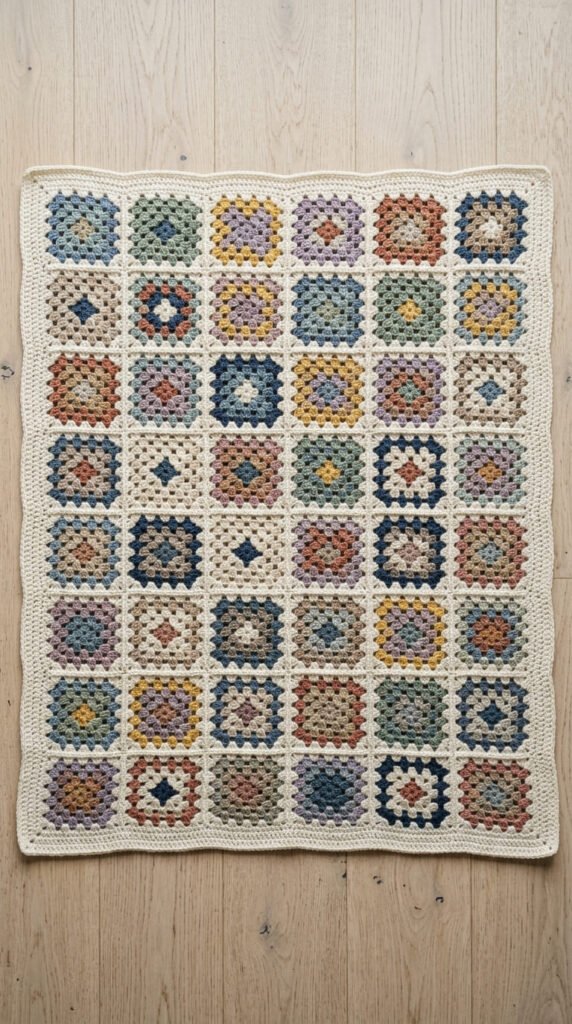
Leftover yarn piles up. Granny squares turn that clutter into something beautiful.
Each square uses a small amount, so odds and ends finally get a job. Scrap-busting keeps your stash useful.
Work each square in a few colors, then join them all. The patchwork effect looks rich and considered.
The secret to a high-end finish is one shared color. Use the same neutral border on every square.
That single repeating shade ties the chaos together. Suddenly the blanket looks planned, not random.
Cream, charcoal, or oatmeal borders work for almost any color mix.
A scrap blanket costs nothing in new yarn. You’re using fiber you already paid for.
Granny squares are also great for learning. Each one is small and quick, so mistakes don’t sting.
Stitch a few squares a week while watching TV. Soon you have a full throw.
Add a tidy border around the whole piece to finish it cleanly. That frame makes it look store-bought.
Free yarn, zero waste, and a result that looks intentional.
11. Hunt Facebook Marketplace Destashes
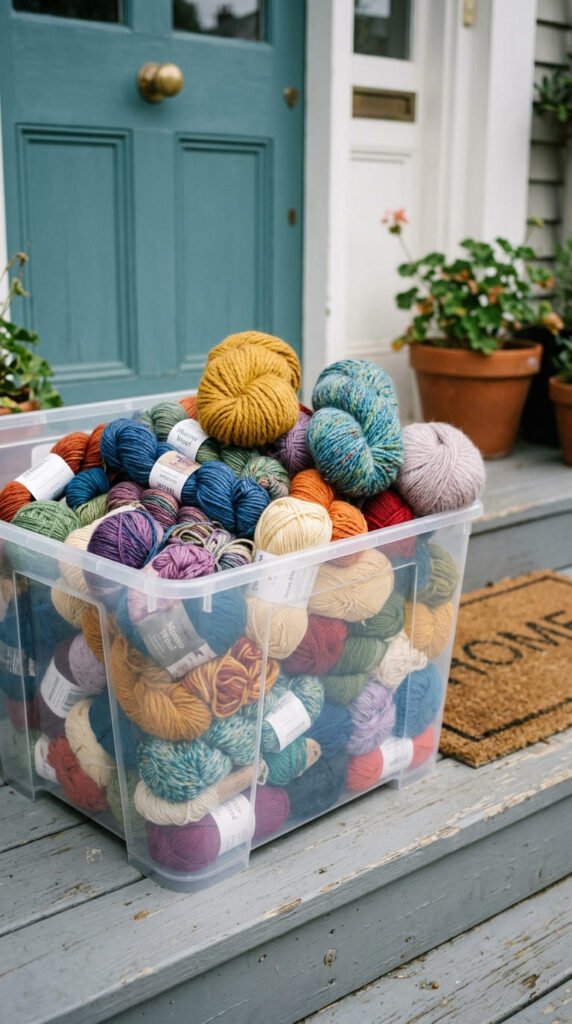
Crafters clear out their stash all the time. Their loss is your gain.
Search “yarn destash” on Facebook Marketplace. You’ll find full bins of yarn sold cheap.
People moving house or quitting a hobby often sell everything at once. A whole stash can go for the price of a few new skeins.
Message early and ask for photos of the labels. Good fiber hides in these lots.
Bundle deals are common. One seller might offer twenty skeins for twenty dollars. That’s a dollar each.
Look for matching dye lots so you can plan a full project. Sellers often kept their stash organized.
Local pickup saves on shipping. Meet in a safe public spot.
This is one of the cheapest ways to score premium brands. Wool, alpaca, and cotton show up often.
Set a saved search alert. New listings ping you the moment they post.
A patient scroll a few times a week turns up real treasure. Designer yarn at clearance prices, straight from another crafter’s shelf.
12. Grab Lily Sugar’n Cream for Cotton Projects
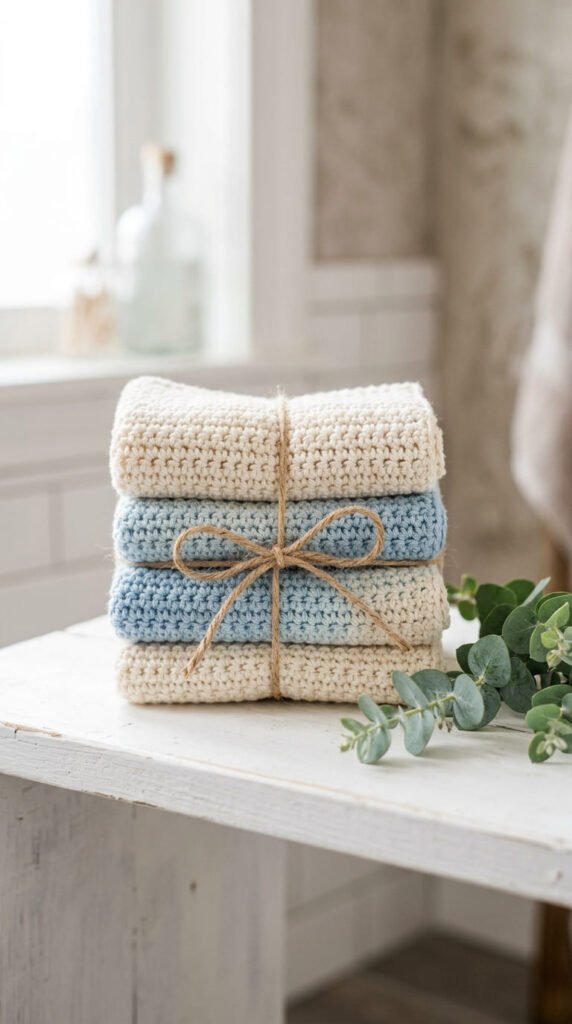
This cotton classic earns its own spot. Lily Sugar’n Cream is cheap, durable, and endlessly useful.
On sale it dips to about a dollar fifty a ball. That’s a tiny price for 100% cotton.
It’s the go-to for dishcloths, washcloths, and scrubbies. The cotton stands up to daily kitchen use.
The yarn comes in solids and soft ombre shades. The ombre balls give a gradient look with zero extra effort.
A washcloth set in matching neutrals looks like a spa-shop buy. Tie three together with ribbon for a gift.
Cotton gets softer the more you wash it. Kitchen and bath items only improve with age.
Work firm, even stitches for a crisp surface. Cotton shows off neat work.
A market bag in this yarn holds up to heavy loads. Stitch it tight and it lasts for years.
Buy a few balls in calm tones and build a coordinated set. Matching pieces always look more expensive.
For practical home makes on a budget, this cotton is a quiet hero.
13. Order Hobbii Cotton Online
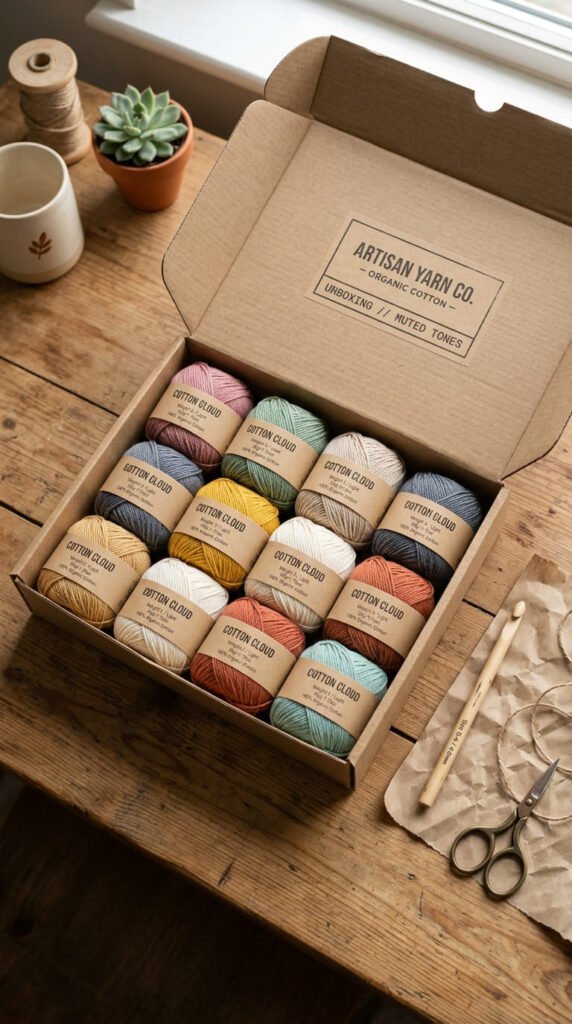
Online shops cut out the store markup. Hobbii is a favorite for budget cotton.
Their prices on cotton lines beat most local stores. The quality holds up against pricier brands.
Buying online lets you compare per-yard cost in seconds. Sort by price and grab the best deal.
Watch for their bundle sales and free-shipping thresholds. Stacking a few balls hits the free-ship mark.
The color range is wide and modern. You’ll find muted, designer-style shades that look expensive worked up.
Cotton from Hobbii suits bags, baskets, and summer tops. The fiber feels smooth and sturdy.
Read the reviews on each line before buying. Other crafters flag the softest picks.
Order swatched amounts first if you’re unsure. One ball tells you if a color and texture work.
Shipping takes a little patience, so plan ahead. Stock up so you’re never caught short.
For crafters who want quality cotton without the store price, online ordering wins. The savings show up on every project, not the finished look.
14. Try Truboo Bamboo for a Silky Sheen
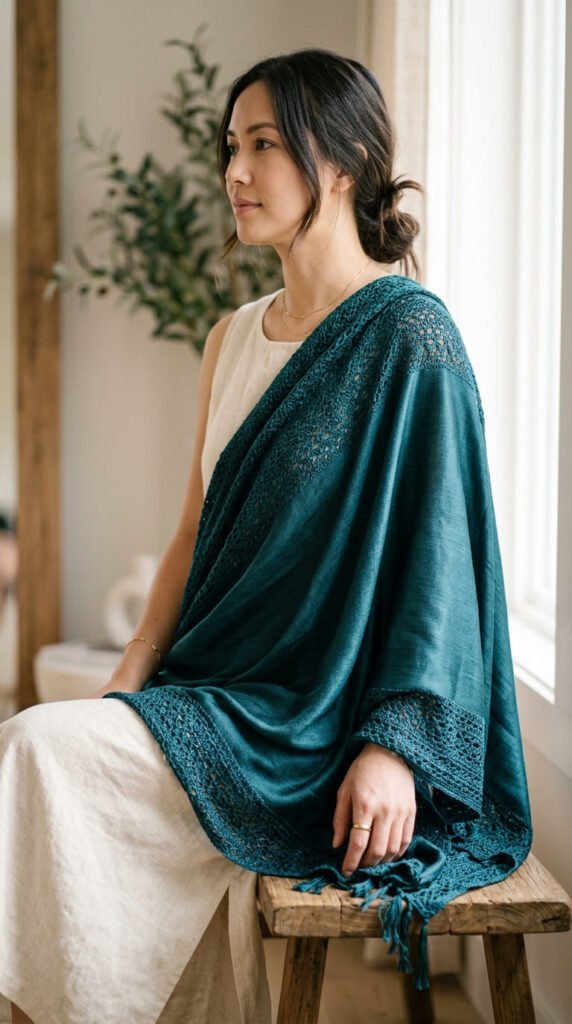
Bamboo yarn drapes like silk. Truboo brings that luxe feel at a budget price.
It’s a DK weight with over thirty colors. The choice alone makes it a strong pick.
The silky sheen is the magic here. Worked up, it looks far costlier than it is.
Bamboo loves to drape, so it’s perfect for shawls, light tops, and flowing scarves. The fabric falls in soft folds.
Choose deep or jewel tones to play up the shine. Light catches the surface for a satin glow.
The yarn can be slippery, so keep your tension steady. Slow down on detailed rows.
A simple triangle shawl in bamboo looks boutique with almost no pattern work. The yarn does the heavy lifting.
Bamboo is also cool to wear, so it suits warm-weather makes. Summer garments feel breezy.
Block the finished piece for full drape. A gentle wash and lay-flat dry sets the shape.
For a silk-like result without the silk price, bamboo is a smart swap. The sheen sells the whole look.
15. Stick to Small Projects That Sip Yarn
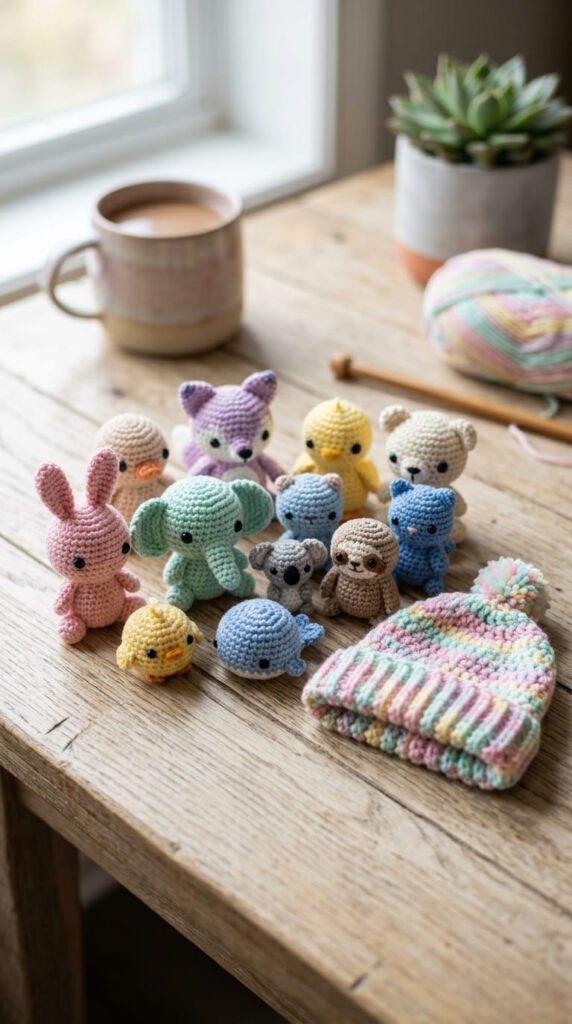
Big projects drink yarn. Small ones barely sip it. On a budget, small wins.
Hats, fingerless gloves, headbands, and amigurumi use tiny amounts. One skein stretches across several makes.
Amigurumi is a trending favorite. The little toys need scraps, not skeins. Leftovers finish a whole creature.
Small makes also finish fast. You get the joy of a done project without weeks of work.
A beanie uses about one skein. A pair of gloves uses even less. That’s full warmth for pocket change.
Tiny projects are perfect for trying pricier yarn too. One ball of nice fiber goes far on a small make.
Gift-wise, small handmade items feel personal and cost little. A set of coasters or a hat says you cared.
Work neat stitches and the small scale shows off your detail. Little pieces look polished up close.
Keep a basket of small patterns ready. When you have a spare skein, you have a project.
Less yarn, less cost, less time, and a finished piece that looks complete. Small really is mighty.
16. Buy by the Pound at Estate Sales
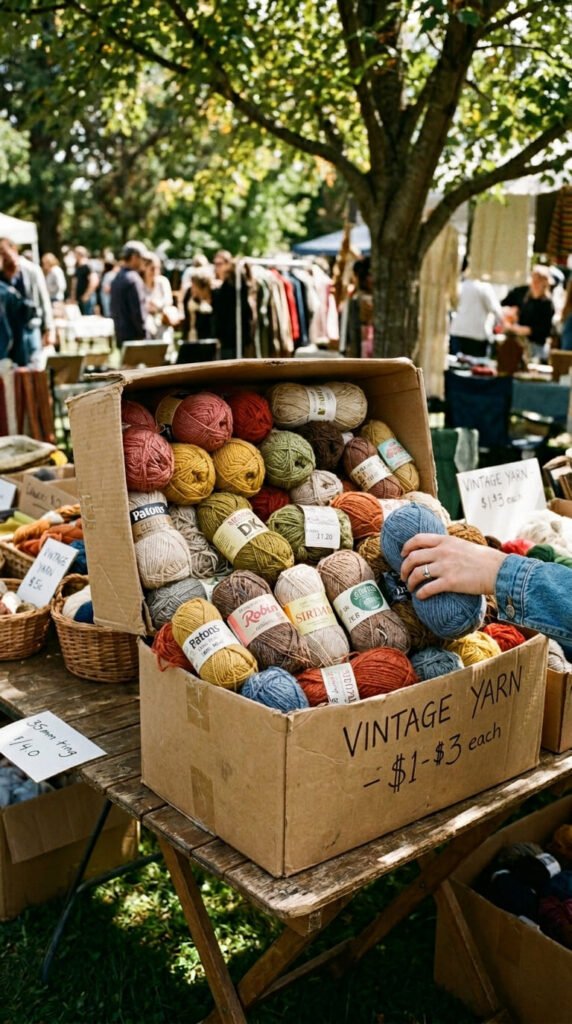
Estate and garage sales hide yarn goldmines. People sell whole craft rooms for cheap.
You can often buy yarn by the pound for a few dollars. That’s bulk fiber at a giveaway price.
Older crafters frequently kept high-quality wool and cotton. Their stash becomes your supply.
Arrive early for the best pick. The good lots go fast once doors open.
Bring cash and a bag. Sellers love a quick, simple deal.
Sort through bins on the spot. Squeeze for softness and check labels for fiber content.
Even unlabeled yarn is worth grabbing if it feels nice. A burn test later tells you the fiber.
Mixed lots are perfect for scrap projects and color play. You’re not locked into one shade.
Haggle politely on a full box. Sellers usually want it all gone by the end of the day.
This is one of the cheapest fiber sources around. A morning of sale-hopping can fill a whole bin.
The yarn works up exactly like the new stuff. You just paid pennies for it.
17. Stack Coupons at Joann and Michaels
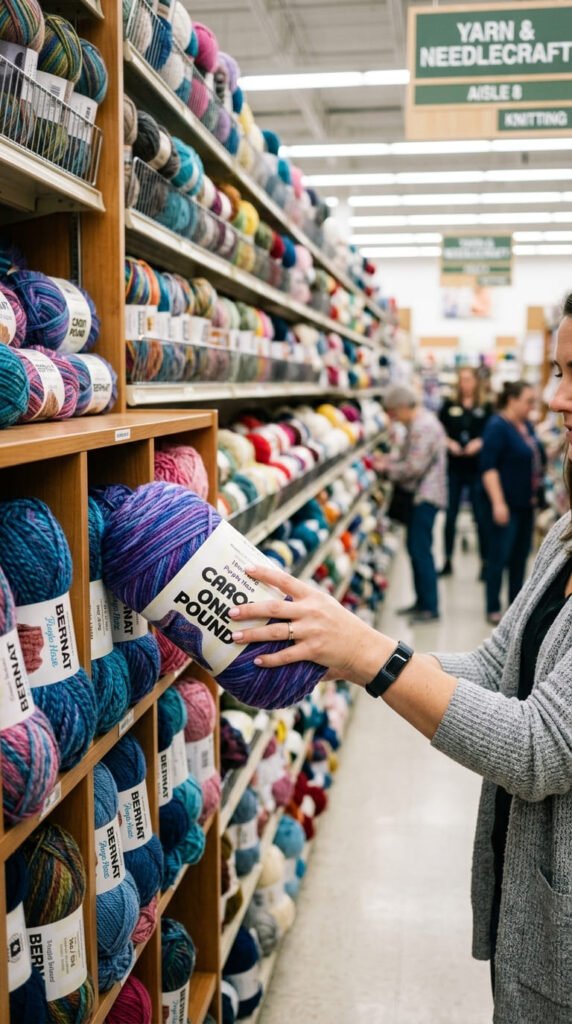
Craft stores run constant coupons. Used well, they slash the price of yarn.
Michaels pound skeins run about twelve dollars, but a 20% coupon drops that to under ten.
Joann sends weekly codes by app and email. There’s almost always a discount to apply.
Wait for the coupon before buying. Paying full price at a craft store is rare for the patient shopper.
Stack a clearance markdown with a percent-off code for the deepest cut. Two discounts beat one.
Sign up for both store apps. Digital coupons live right in the app at checkout.
Time bigger buys around store sales plus a coupon. That combo gives the lowest possible price.
A pound skein covers a small blanket and a few accessories. Cost-per-project drops fast.
Keep a coupon ready before you shop. A quick app check saves real money at the register.
Clearance bins near the back hold discontinued shades cheap. Grab solids for future projects.
The finished pieces look full-price. You simply refused to pay full price for the yarn.
18. Add Chenille for Plush, Pricey Texture
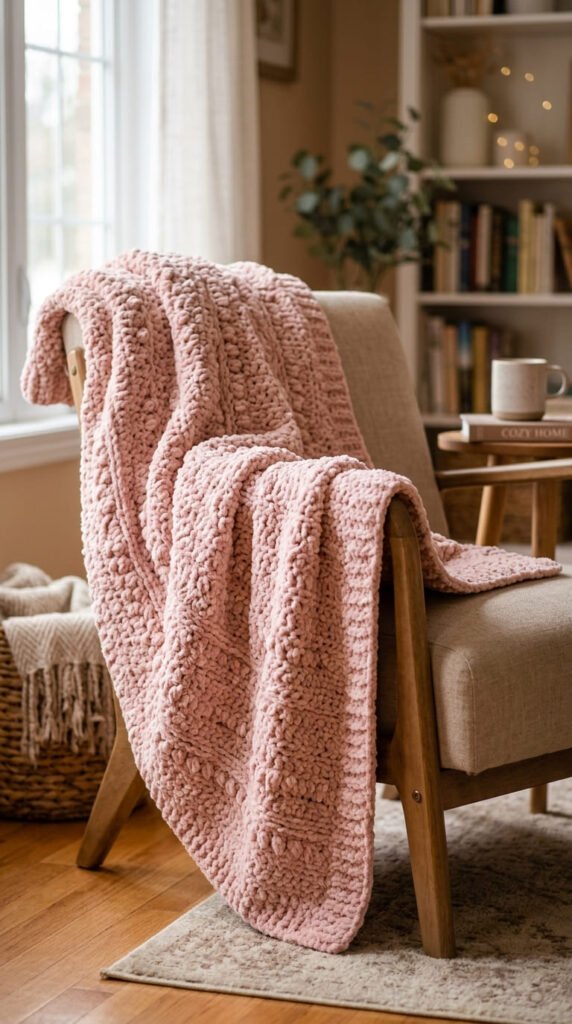
Chenille feels expensive. The plush, velvety surface reads as high-end instantly.
It’s trending hard right now, especially in bold tones like black and pink. Stores charge a premium for the look.
Budget chenille lines bring that texture down to a friendly price. Watch for sales to drop it further.
The fuzzy pile hides small stitch flaws. That makes it forgiving for newer crocheters.
Use it on blankets, pillows, and stuffed toys. The softness shines on anything you touch often.
A chenille throw looks plush and costly draped over a couch. The texture does all the talking.
Work with a larger hook so the pile stays open and soft. Tight stitches flatten the fuzz.
Choose one rich color and let the texture be the star. Solid chenille looks like a home-store splurge.
The yarn can shed a little at first, so shake the finished piece outdoors. It settles after a wash.
For maximum plushness at a low cost, chenille delivers. The velvety finish sells the luxury look.
19. Master a Tight, Tasteful Color Palette
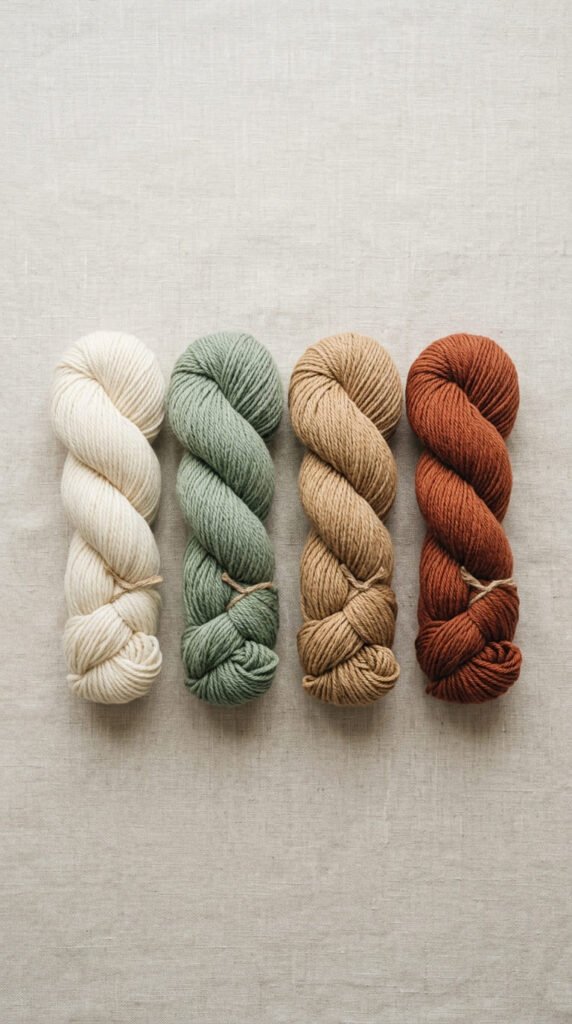
Color choice makes or breaks the high-end look. A messy palette screams budget. A tight one whispers luxury.
Pick two or three calm shades and stick to them. Restraint reads as expensive.
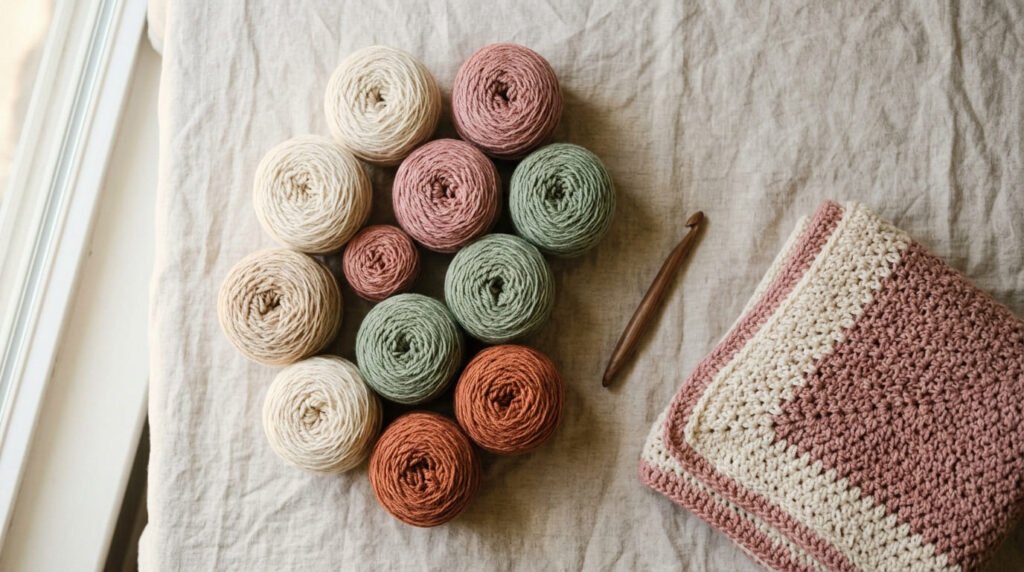
Neutrals like cream, gray, and tan pair with one accent for a designer feel. Add rust, sage, or navy as the pop.
Skip clashing brights unless you’re going for a bold, planned effect. Random color jumps look cheap.
Study home-decor stores for their palettes. They lean muted and earthy. Copy that.
A blanket in three soft tones looks curated. The same blanket in ten random colors looks like scraps.
Use color blocking for a clean, modern result. Solid bands of calm shades feel intentional.
Even cheap acrylic looks rich in the right palette. The yarn matters less than the colors you pair.
Test your shades together before you start. Lay the skeins side by side in daylight.
Good color sense costs nothing. It’s the easiest way to make budget fiber look like a splurge.
20. Block and Finish Every Piece
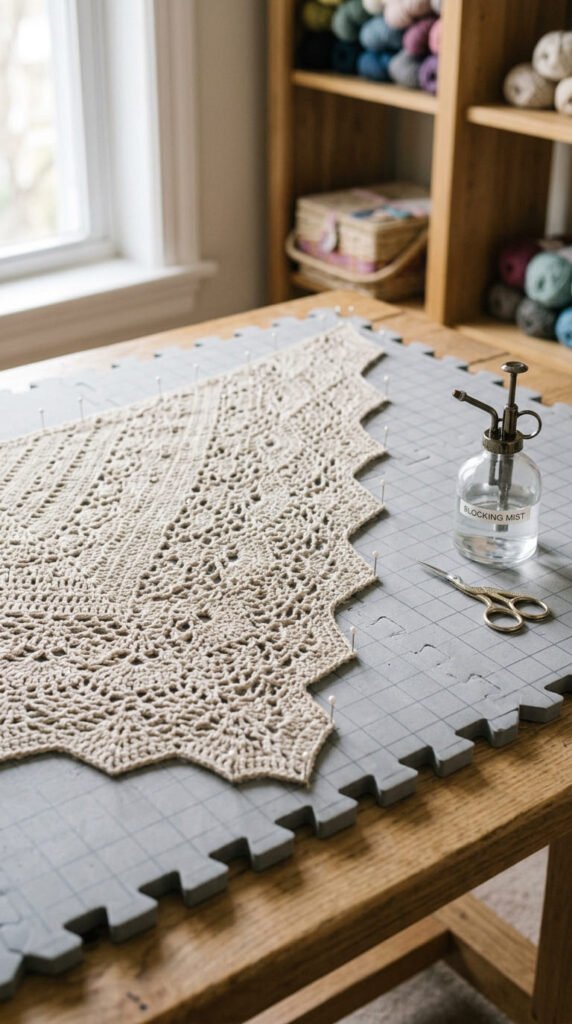
Finishing separates homemade from handmade. Blocking is the step most beginners skip.
Blocking relaxes the stitches and sets the shape. It turns a lumpy piece into a clean one.
Wet the finished item, gently shape it, and let it dry flat. Pins hold the edges straight.
For acrylic, a light steam works wonders. Hover the iron just above the surface. The stitches even out.
Weave in your loose ends neatly. Stray tails are the fastest giveaway of a rushed job.
A pressed, blocked piece looks store-bought. The same piece unblocked looks unfinished.
Trim any fuzz with small scissors for a crisp edge. Tiny details add up.
Add a simple border to frame the work. A neat edge makes the whole thing look polished.
This step costs nothing but a few minutes. The payoff is huge.
Cheap yarn plus careful finishing beats pricey yarn worked sloppily. Every time.
Treat the last step as seriously as the first stitch. That’s the real luxury secret.
21. Scoop Bulk Lots on Etsy and eBay
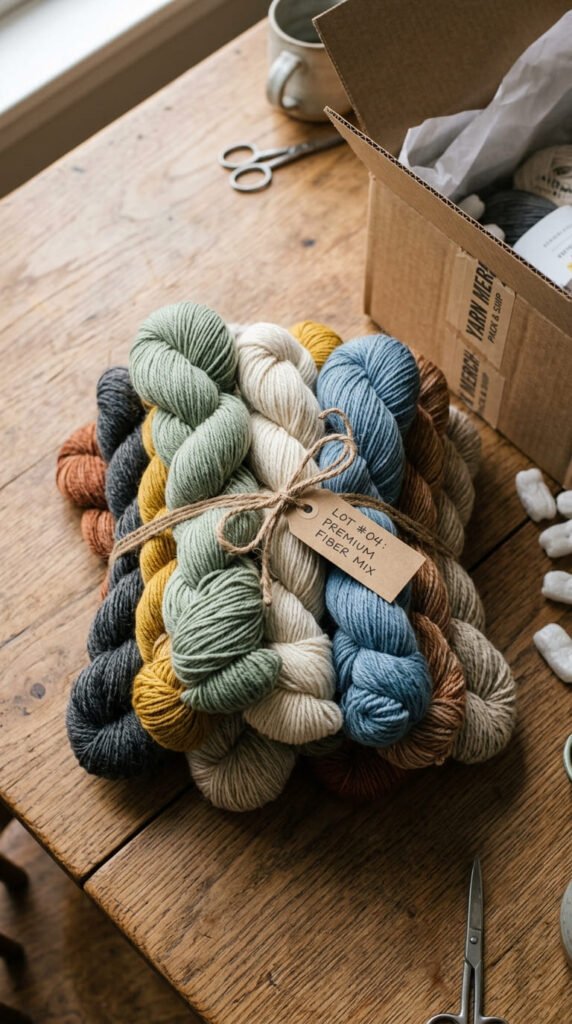
Online marketplaces sell yarn in bulk lots. Crafters clear their shelves and you cash in.
Search “yarn lot” or “destash” on Etsy and eBay. Full bundles show up at low per-skein prices.
Sellers often photograph the labels, so you know the brand and fiber before buying.
Bid low on eBay auctions ending at odd hours. Fewer bidders means better deals late at night.
On Etsy, message sellers to bundle several listings. Many will offer a discount and combined shipping.
Look for matching dye lots in a single lot. That lets you plan a full project from one purchase.
Premium brands appear constantly as people downsize. Wool, alpaca, and cotton go cheap.
Factor in shipping when you compare prices. A local lot can still beat a shipped one.
Read seller reviews for reliable shops. Good feedback means clean, accurate listings.
A little patience here lands designer fiber at clearance rates. The finished work looks high-end because the yarn is high-end. You just paid less for it.
Conclusion
Beautiful crochet comes down to smart choices, not big spending. Cheap acrylic, unraveled sweaters, dollar-store skeins, and bulk online lots can all look rich when you handle them with care. The real magic lives in the details: a calm color palette, even tension, and a proper block at the end. Those steps cost nothing yet make every piece look like a boutique buy. Start with one idea from this list today. Hunt a thrift sweater, time a sale, or stash-bust a scrap blanket. Your wallet stays full and your work still looks like a splurge.